Nosotros Hablamos Español


Gum recession causes root exposure. This poses two problems. One is an aesthetic problem causing te teeth to appear longer. Exposed root surfaces also cause tooth sensitivity.
In order to cover these exposed roots, we can perform soft tissue graft procedures.
During this procedure, we will remove gum tissue from your palate or another donor source to cover the exposed root. This can be done for one tooth or several teeth to even your gum line and reduce sensitivity.
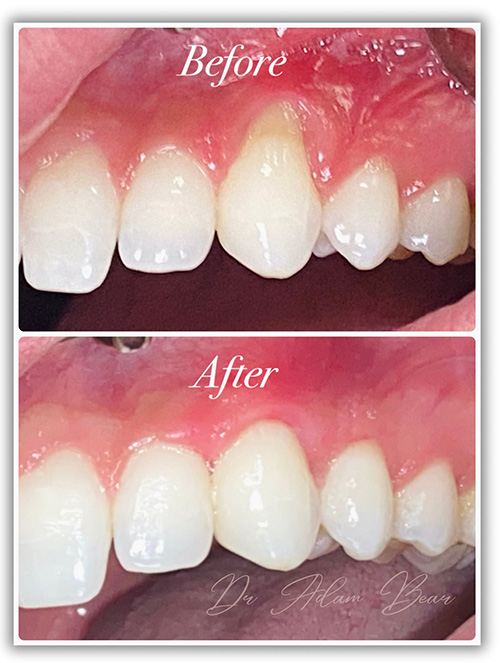

Soft tissue grafts are periodontal procedures used to treat gum recession by adding healthy gum tissue to areas where the gums have pulled away from the teeth. Gum grafting covers exposed tooth roots, reduces tooth sensitivity, protects against decay, and improves the overall appearance of your smile.
You may be a good candidate for soft tissue graft surgery if you have receding gums, exposed roots, increased tooth sensitivity, or signs of periodontal disease. Patients looking to prevent further gum recession and protect long-term oral health often benefit from this procedure.
Common types of gum graft procedures include connective tissue grafts, free gingival grafts, and pedicle (lateral) grafts. The best option depends on the severity of gum recession, your gum thickness, and your overall periodontal health.
During soft tissue graft surgery, your dentist will numb the area with local anesthesia, prepare the treatment site, and carefully place donor tissue over the exposed root. The graft is secured with sutures to promote healing and integration with your natural gum tissue.
Donor tissue may be taken from the roof of your mouth (palate), from nearby healthy gum tissue, or from biocompatible donor material. Your dentist will recommend the most appropriate option based on your clinical needs and comfort.
Initial healing typically takes about 1–2 weeks, while full tissue integration may take several weeks. Following post-operative instructions, eating soft foods, and avoiding irritation at the graft site are essential for optimal healing.
Most patients experience minimal discomfort during the procedure due to local anesthesia. Mild soreness or swelling after surgery is normal and can usually be managed with prescribed or over-the-counter medication and proper aftercare.
Soft tissue grafting reduces tooth sensitivity, protects exposed roots from decay, prevents further gum recession, supports long-term periodontal health, and enhances the appearance of your smile.
The cost of a soft tissue graft varies depending on the number of teeth treated and the complexity of the procedure. Many dental insurance plans provide coverage when the treatment is considered medically necessary to address gum recession.
If you notice longer-looking teeth, exposed roots, bleeding gums, or increased tooth sensitivity, you may need treatment for receding gums. A professional periodontal evaluation can determine whether a soft tissue graft is the right solution for restoring your gum health.
Please note: Summer hours may vary. We are open 1 Saturday a month, please call to confirm.
Please note: Summer hours may vary.